What Every Tampa Bay Homeowner Should Know About Protecting Their Investment in 2026
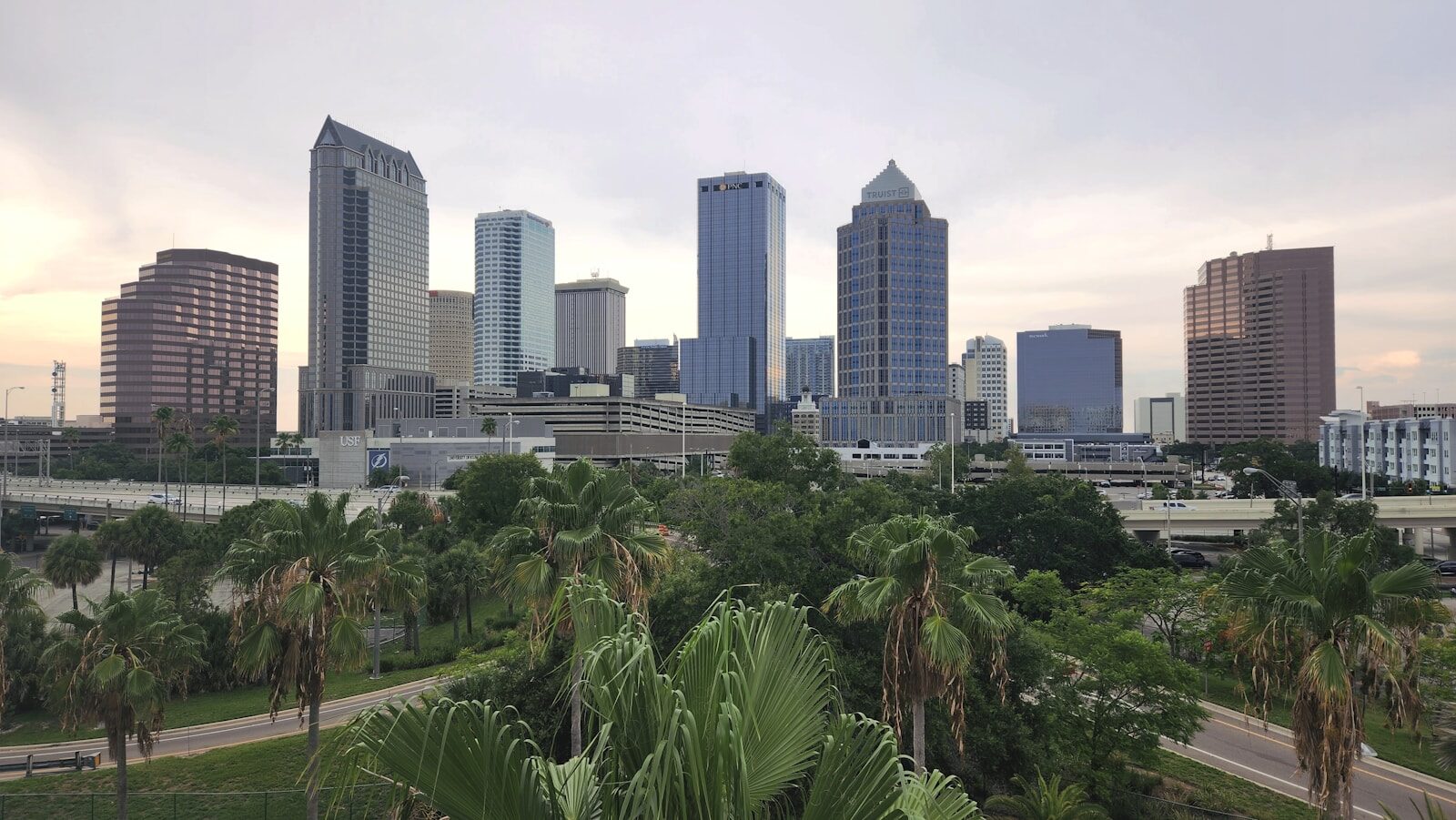
Photo by Goji on Unsplash
I have lived in the Tampa Bay area long enough to remember when you could buy a solid three-bedroom home in Seminole Heights for under $200,000 and people thought you were overpaying. Honestly, that was not even that long ago. Fast forward to today and that same house, assuming it has been reasonably maintained, is probably worth somewhere north of $400,000. The growth has been wild. Exciting, sure. But also, if you have been paying any real attention, a little unsettling.
Because here is the thing nobody at the neighborhood cookout wants to say out loud. The market has shifted. And if you are a Tampa Bay homeowner who has been coasting on the idea that your property value will just keep climbing no matter what, it is probably time to rethink that assumption.
The Party Is Not Over, But the Music Has Changed
Let me be clear up front: Tampa Bay is not crashing. The sky is not falling. People are still relocating here from the Northeast, the Midwest, California, you name it. We still have no state income tax, something like 244 days of sunshine, and a job market that keeps growing in healthcare, tech, and financial services. The Tampa metro population recently crossed 3 million, and that trend does not appear to be reversing.
But the days of listing a home on a Thursday and fielding six offers by Sunday? For most neighborhoods, those are behind us. As of early 2026, inventory across the Tampa Bay region has climbed quite a bit. Homes are sitting on the market for an average of roughly 63 days before going under contract, compared to about 47 days just a year ago. Listing prices are getting reduced more often, and buyers have finally clawed back some negotiating power after years of being told to waive inspections and write love letters to sellers just for a chance.
So what does that mean if you are not planning to sell anytime soon? It means your home still needs to earn its value. And if selling is on your radar in the next year or two, the work you put in now is going to directly affect what you walk away with at closing.
Insurance, Hurricanes, and the Elephant in the Room
You really cannot have an honest conversation about Tampa Bay real estate in 2026 without bringing up insurance. It is arguably the single biggest factor reshaping how buyers evaluate properties here, and it is something every homeowner needs to be taking seriously.
Florida’s property insurance market has been in rough shape for several years now, and the Tampa Bay area has felt it more than most. Premiums have gone through the roof. Some carriers have pulled out of the state entirely. And ever since Hurricane Helene hit our region, buyers are looking at flood zones, wind mitigation features, and the general condition of a home’s exterior with a level of scrutiny that simply did not exist five years ago.
If your roof is getting up there in age, that is no longer just a maintenance item on your to-do list. It is a dealbreaker for a lot of insurance companies, and by extension, a lot of buyers. If your home sits in a flood-prone area, the condition of your property sends a loud signal about how well it has been taken care of. Buyers who are already anxious about rising premiums and hurricane exposure are going to walk right past a place that looks like it has been neglected.
The practical takeaway here: get your roof inspected and make sure your wind mitigation report is up to date. Look into whether any flood zone changes have affected your property recently. And yes, the basic maintenance stuff you may have been putting off, the stucco repairs, the aging gutters, the faded exterior, all of it matters more now than it did when things were booming.
The Upgrades That Actually Move the Needle
Not every home improvement project is worth the same, and in a market that is asking more of sellers, it pays to know where your dollars stretch furthest.
Kitchen and bathroom remodels still sit at the top of the list, but they also carry the biggest price tags and the longest timelines. A full kitchen renovation in the Tampa area can easily run $30,000 to $70,000 depending on scope, and the return on investment is not always as impressive as the home renovation shows would have you believe. This is especially true if you over-improve relative to your neighborhood.
Landscaping and curb appeal work tends to be underrated. In a region where outdoor living is basically a year-round thing, a well-maintained yard, a clean driveway, and a welcoming front entrance can shape how a buyer feels before they ever step inside. Power washing alone, something you should really be doing at least once a year given our humidity, can make a home look five years younger.
Fresh paint, both interior and exterior, is still one of the most dependable investments a homeowner can make. Industry data consistently suggests interior painting returns around 107% of its cost at resale, and exterior painting may add somewhere between 2% and 5% to a home’s perceived value. When the median home price in the area hovers around $400,000, that math adds up fast. Beyond the numbers, a professionally painted home just photographs better, shows better, and tells buyers that someone has been paying attention. And in our Florida climate, with the UV exposure, the humidity, and the summer storms that beat up everything from stucco to trim, exterior paint breaks down faster than it does in most parts of the country. A home that has not been repainted in eight or ten years is going to show it, and buyers will pick up on that.
I have personally seen homeowners try to cut corners on exterior paint and end up regretting it within a couple of years. A good local crew that understands what Florida weather demands, like Brothers Colors Painting who work throughout Tampa Bay, will use the right primers and products for our climate. That is the kind of thing you notice when the paint still looks sharp four or five years down the line.
Smart home features are another area picking up steam with Tampa Bay buyers. Programmable thermostats, smart locks, energy-efficient lighting. These are relatively low-cost additions that tend to appeal to the younger buyers who are increasingly active in the market. The median age of Tampa homebuyers is somewhere around 36, and this group generally values move-in readiness and modern touches over fixer-upper potential.
Neighborhood Matters More Than Ever
One of the more interesting dynamics playing out in the current Tampa Bay market is just how differently individual neighborhoods are performing.
South Tampa continues to hold up well, largely driven by school demand and proximity to downtown. Homes there still move at a decent pace, though even South Tampa sellers are dealing with more days on market than they were two years ago. Over in St. Petersburg, the picture is more mixed. Some areas have seen average prices drop more than 12% year over year, heavily influenced by flood-remediated properties selling at steep discounts in the wake of Hurricane Helene. Meanwhile, emerging spots like South St. Pete’s Deuces Corridor and the historic Uptown district are drawing investors who see long-term upside.
Wesley Chapel and the northern suburbs continue to benefit from new construction and family migration, though builders are now offering more incentives than they have in years. If you are shopping for new construction in Pasco County right now, you are actually in a pretty strong negotiating position. That would have been unheard of in 2022.
The bigger point here is that “the Tampa market” is not really one market. It is dozens of micro-markets, each with its own momentum. Understanding where your home fits within that landscape is the first step toward making smart decisions about maintenance, upgrades, and timing.
The Best Time to Invest in Your Home Is Before You Need To
Here is the advice I wish someone had given me years ago: do not wait until you are getting ready to sell to start caring about your home. The homeowners who tend to come out ahead in any market, whether it is hot, cold, or somewhere in between, are the ones who treat their property like an ongoing investment rather than something they can just set and forget.
That means staying on top of the basics. Keep your roof in good shape. Stay after the landscaping. Fix stucco cracks before they turn into bigger stucco problems. Repaint before the fading turns into peeling. Swap out a dated bathroom fixture here, replace an old light there. None of it is glamorous work, but over time, those small efforts add up. They are what separate a home that holds its value from one that quietly loses it.
Tampa Bay is still one of the most desirable places to live in the country. The fundamentals that have driven growth here, the weather, the lifestyle, the job market, the lack of a state income tax, those are not going away. But the market is demanding more of homeowners now, and the ones who respond thoughtfully are going to be in the best position. That is true whether you plan to sell next year or a decade from now.
Take care of your home and it will take care of you. That has always been true, but in 2026 Tampa Bay, it feels more relevant than ever.